

Sandy Bigglestone
SRS Managing Director & SRS Titanium CGRCO
If you own a captive in the US, you already live with governance, risk, and compliance—even if no one calls it "GRC" in your board materials. The question isn't whether GRC applies to your captive; it's whether you're using it intentionally or simply reacting when regulators and auditors start asking questions.
At a basic level, the three pillars break down as follows: governance is how decisions are made, overseen, and documented; risk is how uncertainty is identified, measured, and managed; and compliance is how the captive meets its regulatory, legal, and tax obligations.
For a US-domiciled captive, those pillars show up in very practical ways—board composition, independence and expertise, conflict-of-interest controls, underwriting and investment policies, reserving discipline, and the quality of documentation supporting key decisions.
So why should captive owners care?
GRC is embedded in US captive regulation. Regulatory examinations look beyond whether a timely form was submitted; examiners want evidence that the board understands the risks, that decisions involving capital adequacy are taking place, and that effective oversight is grounded in a documented framework. Weaknesses in governance or controls can lengthen exams, generate findings, or, in the worst cases, put the license at risk.
GRC also underpins credibility with counterparties. Fronting carriers, reinsurers, lenders, rating agencies, and internal finance and audit teams increasingly assess captives through a governance and risk lens. A captive with strong GRC is easier to support, expand, or transact with. One with inadequate documentation or ad-hoc decision-making can become a liability rather than an asset, with a noticeable drop in value.
A captive with a clear view of its risk profile, capital position, and control environment can make more confident strategic choices, such as expanding lines or considering alternative risk transfer tools of increasing complexities. This strategic clarity builds owner confidence and demonstrates GRC's role in enabling responsible growth.
The takeaway for US owners is straightforward: GRC isn't a one-size-fits-all process or a set of written policies to meet examination purposes. Good governance lives in the systems, not the manuals. Tailor your GRC approach to your captive's size and complexity to reduce regulatory risk, support growth, and increase your board's confidence that the captive is a controlled, value-adding part of the enterprise—not a black box.

The Breast Cancer Foundation of Cayman Islands hosted a 24-hour Pickleball Challenge in support of research and people and their families dealing with breast cancer. SRS Cayman is proud to...

SRS Bermuda helped with the Trunk Island Project, known as a “living classroom”, in association with the Bermuda Zoological Society and the Bermuda Aquarium Museum and Zoo. (Registered Bermuda charity.)...
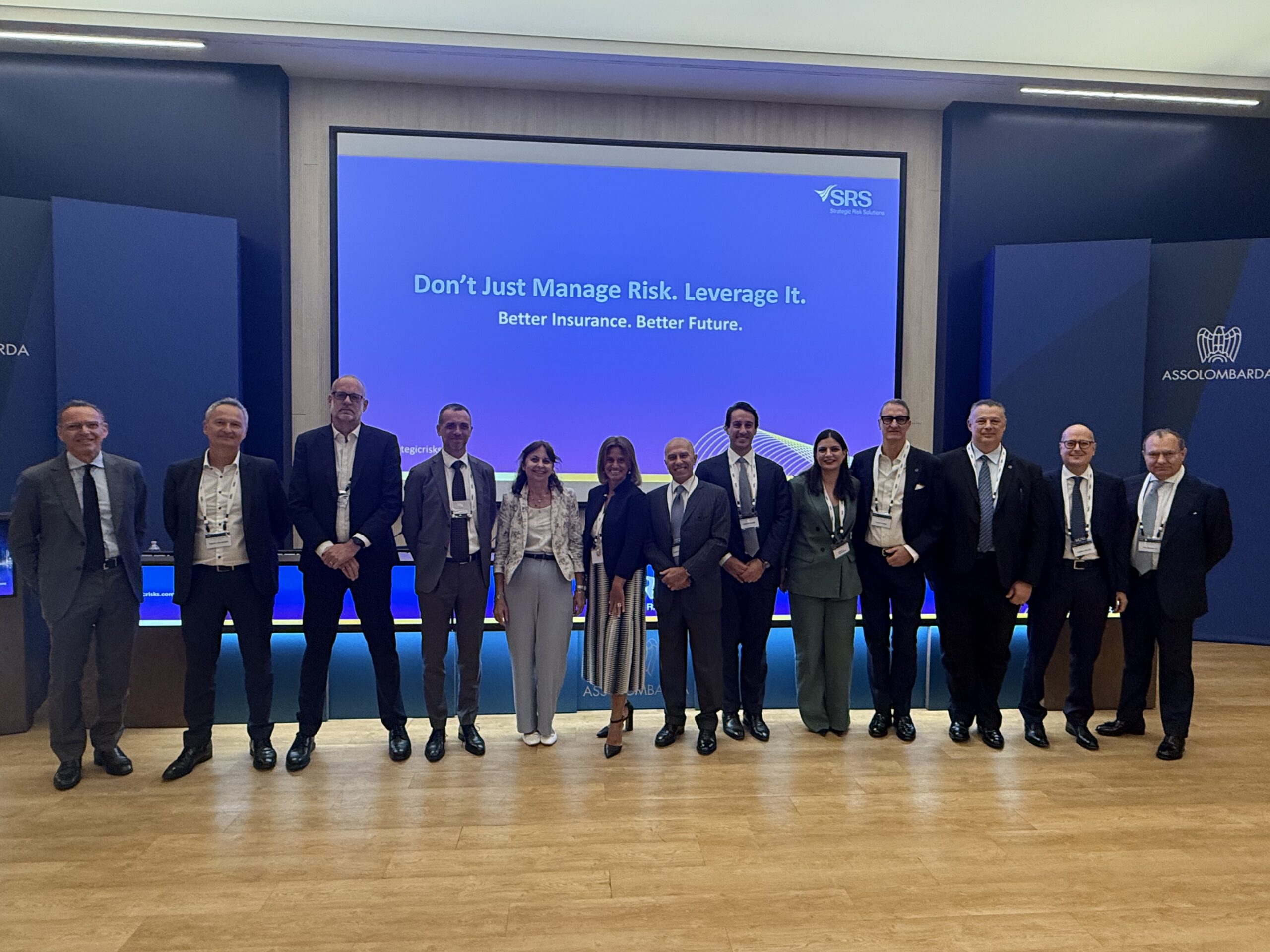
Strategic Risk Solutions (SRS) has a reputation for leading the charge when it comes to captive insurance management. Establishing SRS Italy and becoming the only manager in the country with...
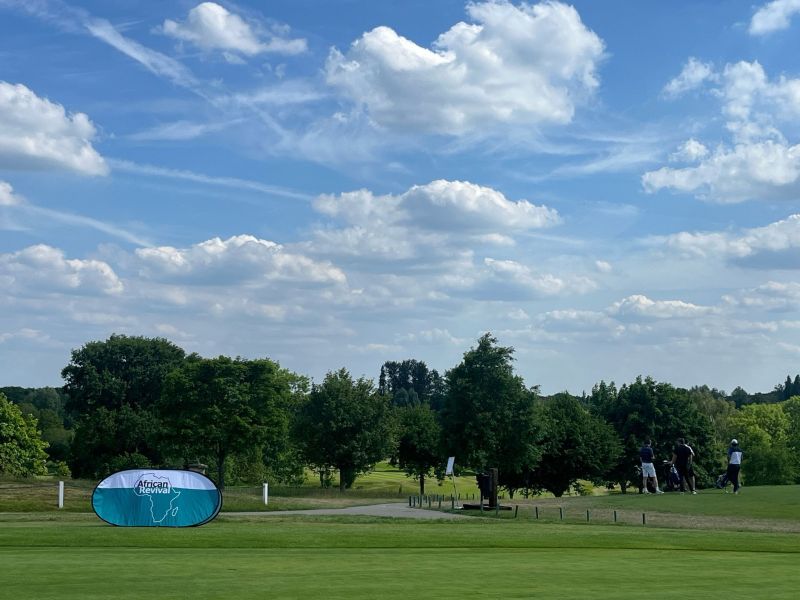
Everyone had a wonderful day at the Windlesham Golf Club for the African Survival Annual Golf Day! The primary focus of the charity is to provide access to education in...

Tens of thousands of participants joined Neil Campbell on the 26.2-mile challenge of the London Marathon. SRS Europe is proud to support Neil and his charitable run. Neil is a...

SRS Guernsey Scales New Heights Our amazing SRS Guernsey office is currently taking part in an exciting and challenging local fundraising event called The Everest Challenge. This unique endurance event...
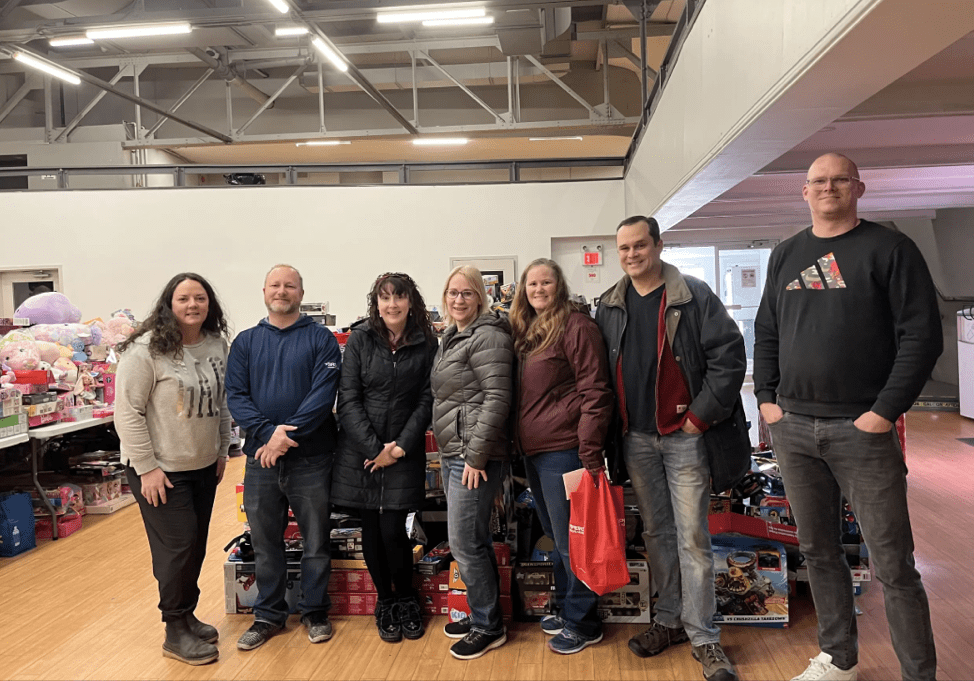
'Tis the Season for SRS Canada SRS Canada spent some time volunteering at a toy organizing event for children in the Halifax area. SRS Canada has been actively participating in...
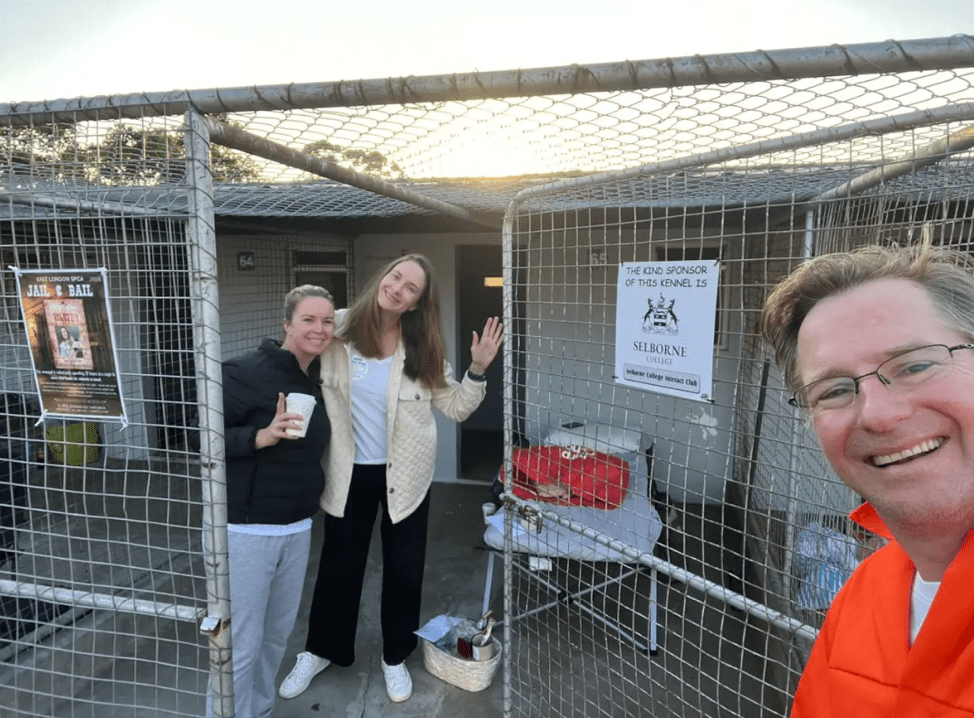
SRS South Africa- East London Supports Animal Welfare Our SRS South Africa team is proud to support animal welfare organizations this quarter by raising much-needed funds for the SPCA (Society...

As climate change escalates the potential severity of certain weather-related natural disasters like hurricanes and wildfires, corporations face increased threats to their operations and financial stability. Captive insurance strategies are...
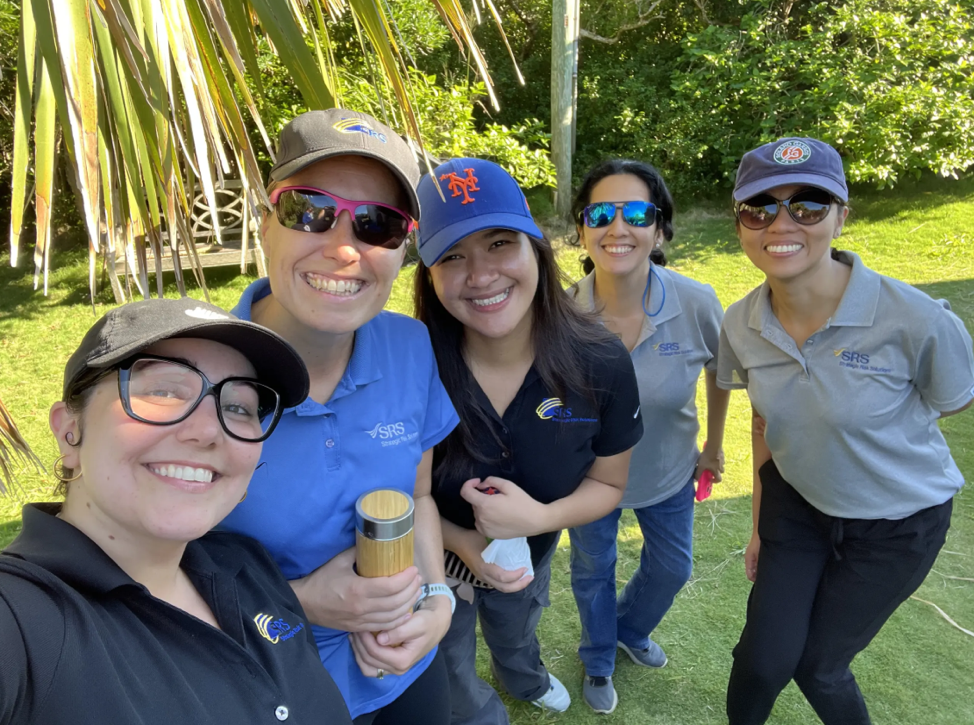
SRS Bermuda Helps Preserve Bermuda’s Unique Ecosystems with the Trunk Island Project SRS Bermuda proudly contributed to the Trunk Island Project, a conservation and education initiative known as a “living...

By: Chuck Scherer Catastrophe bonds, also known as cat bonds, are a crucial component of the insurance industry's risk management toolkit. Typically, these bonds provide insurance companies with financial protection...

The decision to buy or sell a captive insurance company isn’t made that often but can be a significant strategic opportunity under the right conditions. Andy Hulme, SRS EVP of...

Download the SRS whitepaper on Cell Vehicles, Domicile Differences. Protected Cell Companies – 25 Years In By Peter Child, CEO SRS Europe Twenty-five years ago, Protected Cell Company (‘PCC’) legislation...

Captive Insurance Times recently published an article featuring industry participants, including Isabel Mettetal SRS' Director of Cayman Captive Management, discussing their hopes for captives in Latin America, as well as...

Combining captive insurance with Insurance-Linked Securities (ILS) can offer significant long- term value and additional risk transfer capacity and capabilities for enterprise-scale companies. The ILS sector acts as a reliable...

Financial Model of Parametric Insurance within a Captive The financial model of incorporating parametric insurance into a captive insurance company relies on predefined, measurable indices. When a certain event triggers...

Setting the Standard SRS has managed captives and other insurance vehicles for more than 25 years, and in that time, we’ve defined and operationalized the services a high-performing insurance company...

Setting the Standard SRS has managed captives and other insurance vehicles for more than 25 years, and in that time, we’ve defined and operationalized the services a high-performing insurance company...

Setting the Standard SRS has managed captives and other insurance vehicles for more than 25 years, and in that time, we’ve defined and operationalized the services a high-performing insurance company...

Anna Pereira, SRS Bermuda How can the captive industry adapt to the developing impact of climate change and adopt measures to mitigate impact to their shareholders, themselves, and the natural...

Leveraging the Barbados Insurance Brand The year 2021 was one of significant growth for captive insurance in Barbados. There were 34 startups and according to the statistics released by the...

There is tension at the heart of every captive insurer. This fundamental tension arises from the fact that for every captive shareholder is also in some way, shape, or form...

The material presented in this report was the subject of our webinar: Captive Insurance – The State of the Market, held on Wednesday February 23, 2022. The captive insurance industry...
SRS’ Peter Child, CEO Europe and Richard Paris-Smith, Client Services Leader-Europe were recently featured as speakers during the Airmic Captive Forum. Peter Richard spoke about governance within the captive process, while...

Corporate insurance buying strategies are changing. Maybe it has taken the challenges being encountered in the continued hard market to finally shake things up. Buyers are getting frustrated, hemmed in...

© Strategic Risk Solutions 2024 All Rights Reserved. Strategic Risk Solutions Privacy Policy.